The theme you want costs money every year, and some website is offering it for free, “fully activated.” Nulled WordPress themes and plugins look like a bargain, and that’s exactly how they get onto sites.
Someone you’ll never meet has opened that code and changed it, and installing it gives their changes the same access your own plugins have.
At MalCare, we protect WordPress sites from malware, and we know nulled software is one of the oldest entry points. Whether you’re a blogger eyeing a free download, an agency that inherited a client’s site, or a developer who wants to check the code yourself, this guide shows you what to look for and what to do next.
TL;DR: Nulled themes and plugins aren’t safe, because someone you can’t vet has edited code that runs with full access to your site. If one has ever been installed, scan the entire site with a tool like MalCare, not just the plugin’s folder.
What is a nulled theme or plugin?
A nulled theme or plugin is a premium product modified to bypass its license check, then shared outside the developer’s official channels. You get the files, but no valid license.
That one edit matters more than it sounds. Disabling a license check means changing the code and whoever made the change could add anything else they liked, and you’d have no clean original to compare it against.
These copies circulate on download sites, forums, and social media groups. They’re usually labelled “GPL,” “activated,” or “premium for free.”
So what’s the catch?
Every theme and plugin runs with the same access as WordPress itself: your database, your files, your users, your customers’ details. Install tampered code, and whoever tampered with it gets that access too.
Here’s what usually comes with it:
- Backdoors. A backdoor is hidden code that lets an attacker walk back in whenever they like. Wordfence describes nulled plugins and themes as typically containing backdoor functionality.
- Cloaked spam and redirects. Many infections hide from logged-in admins and only target search visitors or search engines. You see a normal site while Google sees spam, which can get you blacklisted.
- No security updates. Without a valid license, the developer’s updates never arrive. Every vulnerability found after you install stays open on your site.
- No support. When a WordPress or PHP update breaks something, there’s no one to call.
- Hosting suspensions. Hosts can suspend accounts that serve malware, which takes the site offline.
It isn’t a fringe problem. In its 2020 threat report, Wordfence found malware from a nulled plugin or theme on 206,000 sites. That was more than 17% of every infected site its scanner flagged that year.
📝 Note: Modern nulled malware is patient. In 2025, Wordfence traced a campaign to tampered premium plugins. The backdoor stayed dormant until a specific URL triggered it, and the attackers disabled the site’s security plugin, then switched it back on later so nothing looked wrong. An active security plugin is not proof of a clean site.
What does an infection actually look like?
The best-documented example is WP-VCD, a malware family that came pre-installed in nulled themes from a network of download sites. Wordfence named it the most common source of new WordPress infections from August 2019. In 2020, it accounted for 13% of every infected site Wordfence’s scanner found.
Here’s what researchers at Sucuri and Wordfence documented:
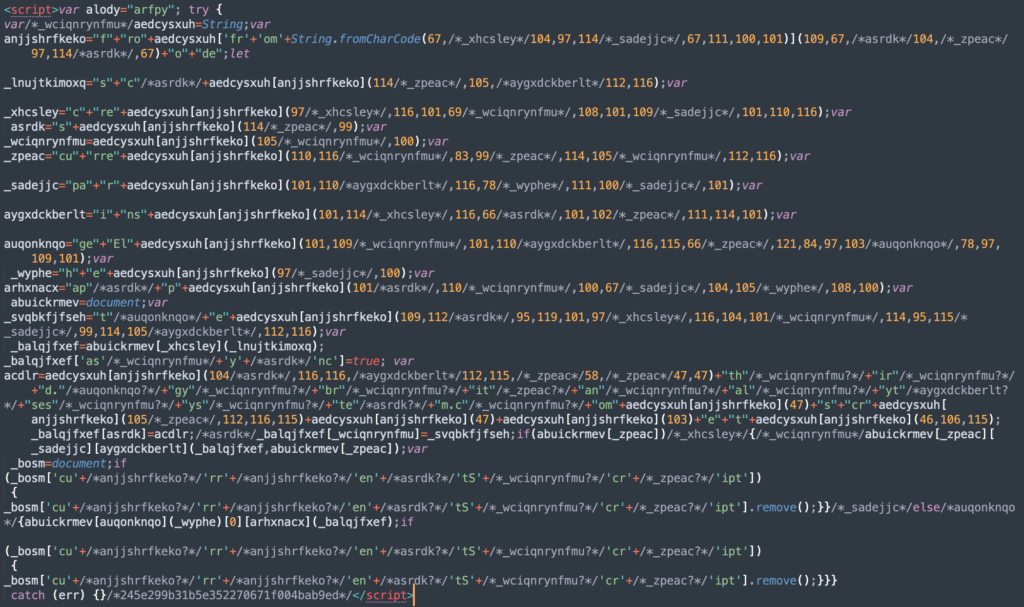
- It planted a secret administrator. Sucuri found it creating an admin account named “100010010,” a permanent key for the attackers.
- It spread to every theme on the site, including inactive ones, by editing their
functions.phpfiles. Deleting the nulled theme didn’t remove it. - It jumped to neighbouring sites. WP-VCD could spread to other WordPress sites in the same hosting account.
- It advertised itself. It injected spam links, some pointing back to the nulled-theme sites that spread it.
That’s the pattern to remember. The download is the delivery method. The real damage happens across the rest of your site.
Are “GPL” discount sites any different?
Sites selling premium plugins for a few dollars a month aren’t identical to free nulled downloads. Wordfence found these discount copies less likely to carry malware than free nulled ones. You still don’t hold the developer’s license, though, so official updates, support, and license-based features don’t come with them.
| Where it came from | Official updates | Developer support | Can you trust the code? |
|---|---|---|---|
| The developer’s own site | Yes | Yes | Yes |
| WordPress.org directory | Yes | Through its support forum | Checked before listing |
| Discount “GPL” reseller | Only if the reseller repackages them | No | Depends on the reseller |
| Free nulled download | No | No | No |
A trusted source is a starting point, not a lifetime guarantee. In April 2026, WordPress.org closed more than 30 plugins after a new owner planted a backdoor in them. Buy legitimately, then keep updating and scanning.
How can you tell if yours is nulled?
No single sign proves it. How deep you go depends on how comfortable you are with code.
If you’re not technical, check these:

- The source. Anything outside the developer, WordPress.org, or a marketplace the developer sells through is suspect.
- The license screen. It says “activated” without a key you entered, or the license tab is missing.
- The version. It trails the developer’s changelog, and an update notice never appears.
- Your users list. Look for admin accounts you didn’t create.
- Google. Search
site:yourdomain.comand look for pages you never published.
If you’re comfortable with code, go further:
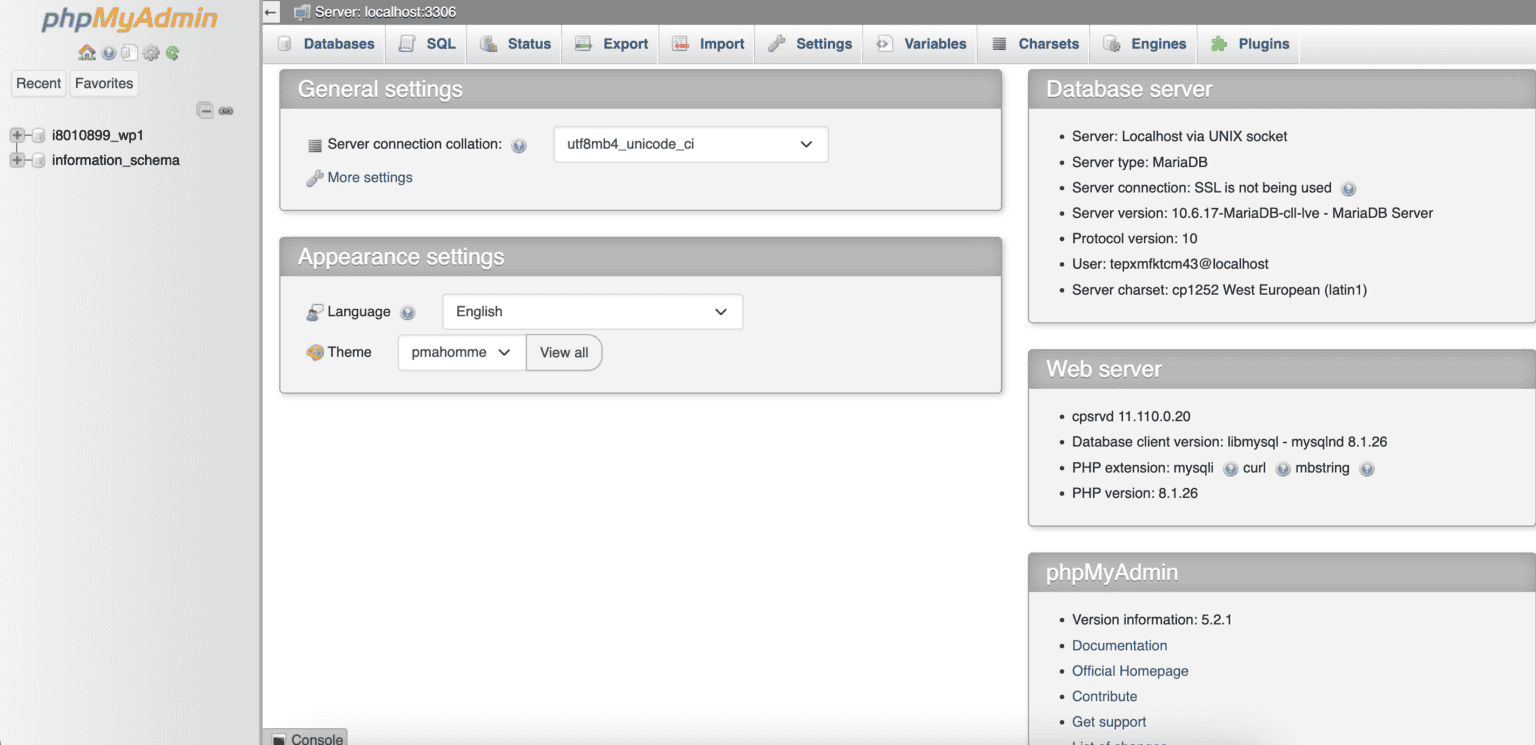
- Search for obfuscation. Look for
eval,base64_decode,gzinflate, orstr_rot13wrapped around long, unreadable strings. Some legitimate plugins use these too, so treat a match as a lead, not a verdict. - Verify what you can against official checksums.
wp core verify-checksumschecks WordPress core, andwp plugin verify-checksums --allchecks plugins from WordPress.org. Premium plugins can’t be verified this way, so compare them file by file against a fresh copy downloaded from the developer. - List admins without loading the site’s code. Run
wp user list --role=administrator --skip-plugins --skip-themes. Malware can hide users from the dashboard, and skipping plugins and themes stops that code from running while you look.
📝 Note: Hand checks find what you already know to look for. A malware scan covers the rest. MalCare’s scanner matches known signatures, compares files with official originals, and analyzes how unfamiliar code behaves. It checks your database, uploads, premium plugins, and scheduled tasks, and you can start for free.
Building sites for clients?
Agencies and freelancers face this from two directions.
You inherit it. A new client’s site came from a previous developer, and nobody knows where the premium theme came from. Treat the site as unverified until you’ve checked the plugin sources and scanned it. Do this before you sign off on maintenance, so you aren’t taking responsibility for an infection someone else installed.
You’re tempted to use it. Buying a license for every client site adds up. Many premium products sell developer or agency licenses that cover multiple sites, which is the legitimate way to cut that cost. A nulled copy on a client’s site puts their data, their search rankings, and your reputation at risk.
Already installed one? Do this next
Deleting the plugin is not a cleanup. As WP-VCD showed, malware rarely stays where it landed. It copies itself into other files, hides PHP inside the uploads folder, stores payloads in the database, schedules cron jobs that reinfect the site, and creates admin accounts. Remove only the plugin, and all of that stays behind.
Work through it in this order:
- Deactivate it and record what you know. Note the name, version, where you got it, and roughly when you installed it. That date tells you which backups might be clean.
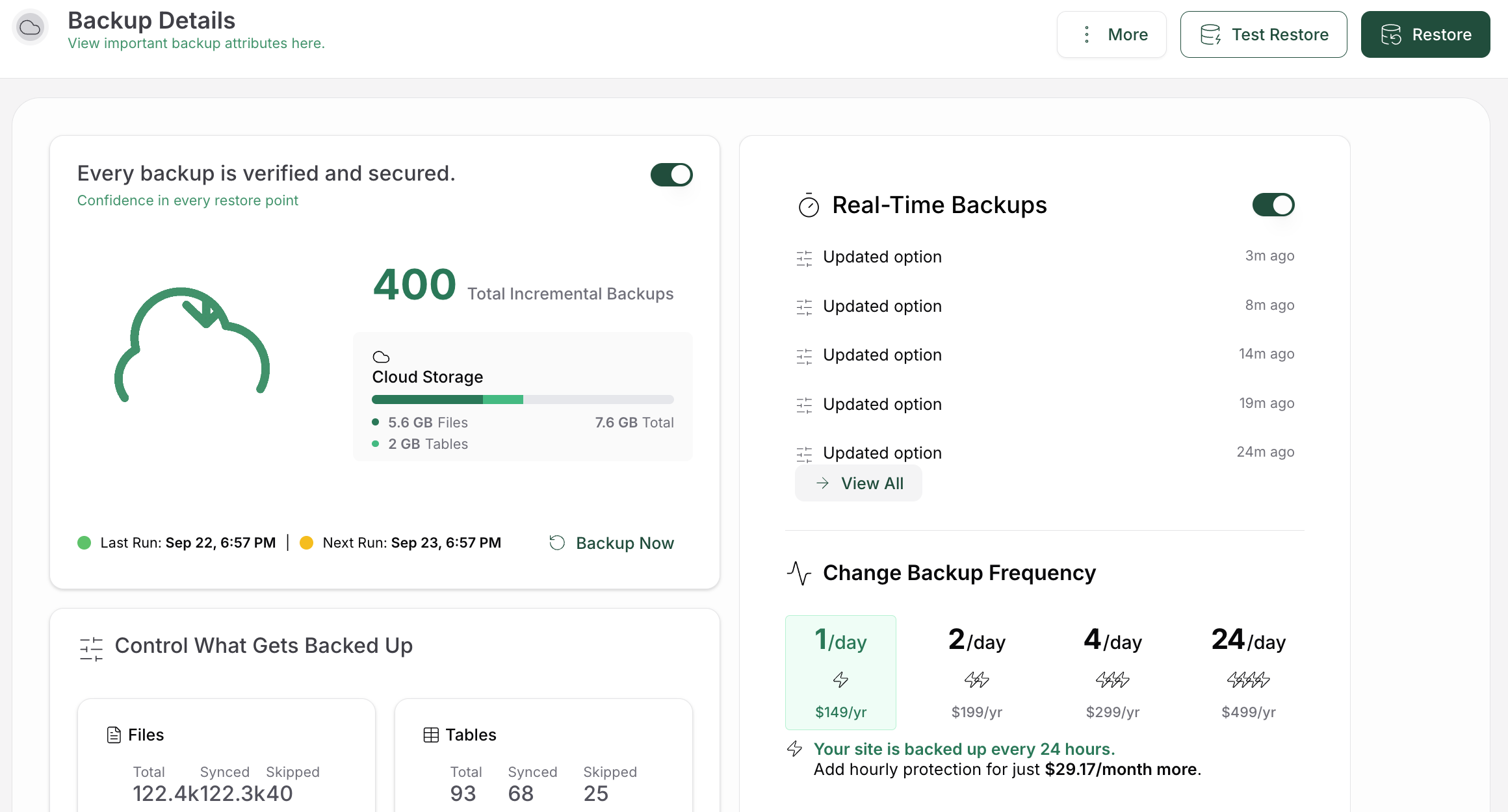
- Scan the entire site. Cover core files, every plugin and theme, uploads, the database, cron jobs, and user accounts. MalCare’s scanner covers all of these and runs the heavy analysis on its own servers, so your site stays fast.
- Remove every trace in one pass. Miss one backdoor and the site gets reinfected. On MalCare’s Repair and Fortify plans, one-click cleanup backs up first, removes malware from files, the database, cron jobs, and rogue admin accounts, then scans again to confirm. If you’re locked out or blacklisted, our team handles it for you.
- Rotate every credential, after cleaning. Change the passwords for WordPress admins, hosting, SFTP or SSH, and the database. Then regenerate the security keys (salts) in
wp-config.php. That ends every logged-in session, including any the attacker still holds. Do this from a device you trust. - Check the other sites on your hosting account. If they share the account, scan them too.
- Install the genuine product. Get it from the developer, then update WordPress, your themes, and your plugins.
A restore can look like the shortcut. A backup from before the nulled install only helps if that copy was the only way in, and it rolls back every change since. Any backup taken after the install likely contains the backdoor too.
Is it illegal?
WordPress uses the GPL license, and WordPress.org’s position is that plugins and themes built on it inherit that license for their PHP code. That’s why some resellers can legally redistribute GPL code.
Premium products often split their licenses, though. Images, CSS, JavaScript, and the brand name can carry separate terms. And the GPL never covered the developer’s license keys, updates, or support.
Whatever the legal answer, a GPL label says nothing about what someone did to the file before you downloaded it. For your site, that’s the question that matters.
FAQs
Is every nulled plugin infected?
No. Wordfence found that nulled copies of its own plugin didn’t always contain malware. Yet sites running them were more than twice as likely to have other infections as sites running the free version. You can’t audit every line, so treat any nulled copy as compromised until proven otherwise.
Does deleting the nulled plugin remove the malware?
Not reliably. Malware spreads into other files, uploads, the database, scheduled tasks, and admin accounts. Scan the whole site, clean everything you find, and only then reinstall the genuine product.
Is it safe to test a nulled theme on staging?
It’s riskier than it sounds. A staging site usually holds a full copy of your real data and users, and it often sits on the same hosting account as your live site. As WP-VCD showed, malware can spread across sites in one account.
How can I try a premium plugin without paying?
Look for a free version on WordPress.org, a live demo, or a refund window from the developer. Many premium products offer at least one of these.
Conclusion
A nulled theme or plugin was never free. You pay later, in updates that never arrive, support you can’t ask for, and a backdoor you can’t see. Get your themes and plugins from the developer or WordPress.org.
And if a nulled copy has ever touched your site, scan everything today so you know exactly where you stand.