AI has changed WordPress security forever.
There are many aspects to this—some good, others dangerously bad. We need to be adequately prepped for the bad.
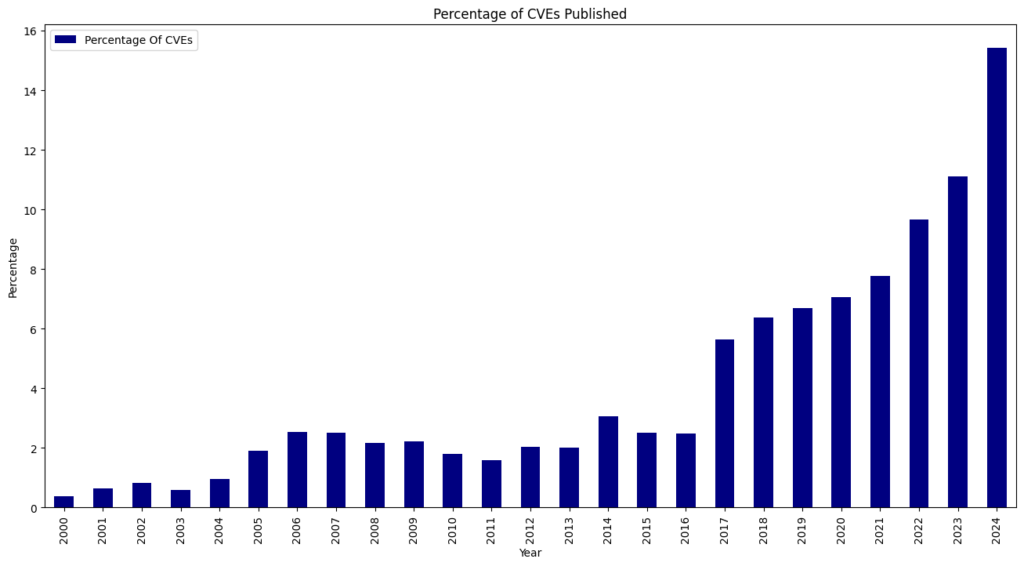
AI is finding vulnerabilities in code at breakneck speed. Plus, it is also introducing them into code. The combination results in old notions of security crumbling. They were already, but AI has hastened that process.
So what does this mean for your site?
It means that AI gives hackers superpowers. Therefore, you need to build your site’s defence appropriately.
Uncovering vulnerabilities faster and fiercer
Hackers can now use AI to spot and exploit hidden vulnerabilities, with almost no effort. Plus, the speed at which they can do so is unprecedented.
This means more vulnerabilities exploited, at greater scale, and faster than ever.
Scale like a whale, sting like a bee
Formerly, hackers used scripts to launch attacks on WordPress sites. While scripts enable great scale, each individual attack could fail for a number of reasons. Sites are not all the same, even if they share a broad range of characteristics.
Hackers can now launch behavioural, per-site attacks. They can tweak each one for maximum effect.
This kind of tooling was just not possible before.
Can’t developers use AI to find vulnerabilities as well?
The short answer is, yes, of course developers can use AI to find vulnerabilities in their code as well.
But there will always be vulnerabilities in code.
Even if developers actively look for vulnerabilities, they won’t find all of them. So, while they fix the ones they find, hackers will find the ones they missed.
We have seen this time and time again. The same plugin will have multiple vulnerabilities that are discovered over time.
📝 Remember that hackers don’t need to find every vulnerability in code; they just need to find one.
Vibe coding and vulnerabilities
It is exciting to witness ideas becoming reality so quickly. The barrier to entry has virtually vanished, as vibe coding has equipped people with the skills to develop software.
We hear of entire software released in weeks, if not days. The upshot is that many WordPress plugins and themes are being shipped fast and furiously.
This speed means that people don’t realise they are skipping critical steps of the development process: like reviews and QA.
Reviews are an all-important step, where software is put through its paces to check for loopholes. Not just for things like glitches or bugs, but security loopholes as well.
Also known as? Vulnerabilities.
Vibe coding is introducing vulnerabilities into production code at an unforeseen rate. Millions of sites are, and will be, affected; they just don’t know about it yet.
WordPress history has already been plagued with vulnerabilities. It is about to get much, much worse.
The situation is not hopeless
We’ve painted a fairly dire picture here. However, there is a solution.
Let’s take a step back and see how vulnerabilities are introduced by AI.
The crux of the problem is that AI tools don’t understand intent; they predict patterns.
So, when you ask an AI to ‘build a plugin that does X’, it stitches together patterns from thousands of code samples. Many contain the same old security issues that have plagued WordPress for years: unsanitised inputs, unescaped outputs, nonce misuse, and unsafe database queries.
These are all vulnerabilities we know how to deal with. More importantly, we know how to protect sites from them too.
The real solution: proactive security
The future of WordPress security is about assuming vulnerabilities will exist and building defenses that work regardless.
💫 We need layered security, starting with a WordPress-specific firewall and deep malware scans that protect the site daily.
Add to that mix, you need to have regular updates and good practices for user and password security.
The AI-driven future of vulnerabilities
Where are we headed next?
As of now, there is no means to find all vulnerabilities in code, regardless of whether you are a developer or hacker.
If we had a crystal ball, we anticipate, in the next 2-3 years, that AI will evolve to be able to pinpoint vulnerabilities during development; even if the developer is careless and vibe coding.
There is definitely a future in which AI will prevent issues like SQL injection vulnerabilities cropping into code. It will be able to forestall things that humans tend to miss, because we don’t expect bots to make the same kinds of mistakes.
The websites that survive will be those protected by proactive security measures. These measures don’t depend on perfect code or instant patches. They do not wait for discovery or zero-day attacks. They assume attackers have AI-powered tools—because they do—and prepare for that reality.