You log in to edit a post, update a plugin, approve an order, or check a form entry. Then WordPress sends you back to the login screen before you can finish. If wordpress keeps logging me out is the problem you are trying to solve, do the low-risk session checks first before changing code, plugins, or database values.
Most repeated logouts come from cookies, cache, URL mismatches, plugin conflicts, or security settings. Malware is less common, but it becomes urgent when the logout problem comes with strange redirects, unknown admin users, disabled security tools, changed roles, or lockouts that continue after password changes.
If you are seeing adjacent WordPress login issues too, treat repeated logouts as one symptom in the larger login troubleshooting path.
Clear this site’s cookies, test another browser, select Remember Me on trusted devices, purge cache, and confirm WordPress uses the correct HTTPS domain. Use MalCare to scan your WordPress site for malware if the logouts come with suspicious redirects, unknown admins, unfamiliar files, disabled security tools, or wp-admin access that keeps failing before you can investigate.
Diagnose repeated WordPress logouts
Start by matching the logout pattern to the WordPress layer most likely to be failing.
Identify the logout pattern
Do not change ten things at once. The fastest fix usually comes from matching the symptom to the right layer: browser, WordPress settings, cache, plugin, server, or security.
| What you see | What it usually points to | Start here |
|---|---|---|
| Logged out after closing the browser | Normal session expiry, Remember Me not selected, or cookies deleted on exit | Use Remember Me on a trusted device and check browser cookie settings. |
| Logged out immediately after login | Bad cookies, cache, URL mismatch, redirects, or plugin conflict | Clear site cookies, purge cache, and check HTTPS/www/domain settings. |
| Logged out while saving or updating | Security plugin, cache/CDN rule, nonce/session issue, or plugin conflict | Purge cache and review recent plugin/security changes. |
| Happens only in one browser or device | Browser profile, extension, privacy setting, or security software | Test private mode, another browser, and first-party cookie permissions. |
| Happens to all users | Site configuration, plugin, cache, server, database, or malware issue | Move beyond browser fixes and check site-wide causes. |
| Lockouts continue after password changes | Failed-login traffic, security rules, or compromise | Review login traffic and scan for malware. |
Your browser, WordPress URL settings, cache layers, plugins, and security rules all have to agree that the same user is still logged in. When one part disagrees, WordPress asks for the password again.
The visible problem is “I got logged out.” The hidden problem is “something rejected the session.”
Understand what WordPress is checking
WordPress keeps you logged in with WordPress cookies. A cookie is a small browser file that tells WordPress, “This person already logged in, and this session is still valid.”
If that cookie expires, gets blocked, gets deleted, or belongs to the wrong version of the domain, WordPress cannot trust it. That is why a tiny mismatch like http://example.com versus https://example.com can create a login problem that feels much bigger than it is.
On the current WordPress login screen, Remember Me appears under the password field. Without it, a login can end when the browser session ends, and WordPress also uses a shorter default authentication window. With Remember Me, WordPress keeps the login persistent for 14 days by default.
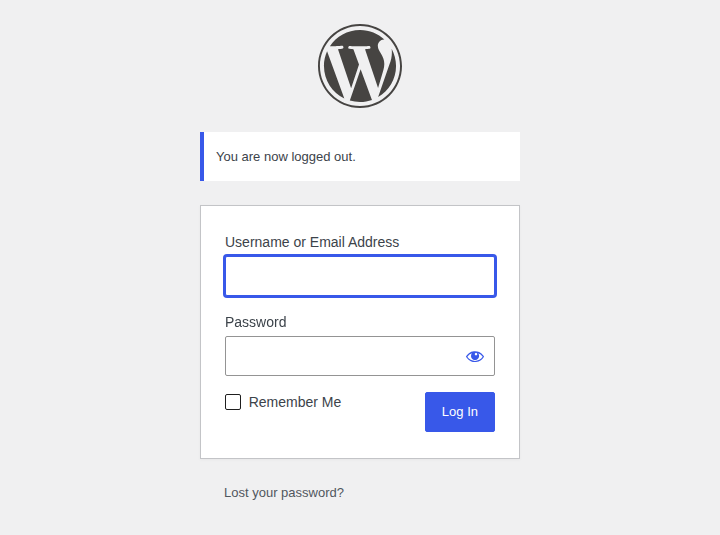
That does not mean every logout is normal. If WordPress logs you out immediately, logs everyone out, or logs you out while saving, the cookie is probably being rejected or disrupted.
Plain version: WordPress is not trying to annoy you. It is refusing a session that no longer looks valid.
Fix WordPress logout problems
Work from reversible browser checks toward site, security, and server changes.
Fix the browser session
Start with the fixes that do not change the site. They are boring, but they are also the safest place to begin.
Clear cookies for your WordPress domain first. You do not need to erase your entire browser history if your browser lets you remove only this site’s data. Old cookies often survive migrations, SSL changes, temporary domains, and www to non-www moves.
Then clear the browser cache and try logging in again from a fresh tab. A stale login page can keep sending you through the same bad redirect loop. Next, isolate the browser:
- Open a private or incognito window.
- Try another browser.
- Try another device.
- Disable privacy extensions, ad blockers, antivirus web shields, and cookie-cleaning extensions briefly.
- Allow first-party cookies for the site.
- Check whether the browser deletes cookies when it closes.
If private mode works, your normal browser profile is probably the problem. If another device works, the site is less likely to be broken for everyone. Also check cookie-consent plugins if members, customers, or editors are affected. Essential WordPress login cookies should not be blocked by consent rules. If they are, users can seem to log in successfully and then disappear from their own session.
Use Remember Me for normal timeouts
If WordPress logs you out only after you close the browser, the problem may be normal session behavior. Log in again and select Remember Me.
Use it on your own trusted computer. Do not use it on public computers, shared office machines, borrowed devices, or browsers you do not control. A longer login is convenient, but it also leaves access open longer if the device is stolen or compromised.
Decision rule: use Remember Me for normal timeout problems. Do not use it to cover up a site that logs everyone out immediately.
Clear every cache layer
If the browser checks do not solve it, move one layer outward and clear your WordPress cache. Cache can make WordPress serve an old login page, an old redirect, or the wrong version of a logged-in page. Clear cache in this order:
- Browser cache.
- WordPress cache or performance plugin.
- Host or server cache.
- CDN cache, such as Cloudflare or another edge cache.
Then make sure login and account areas are not cached like public blog posts. Bypass caching for wp-admin, wp-login.php, checkout pages, account pages, membership pages, and any page that changes based on the logged-in user.
Caching a public article is fine. Caching an admin screen, checkout, or member dashboard can create stale pages, failed saves, and repeated login prompts. After clearing cache, open a fresh browser tab and log in again. Do not keep testing from an old admin tab that may already hold an expired URL.
Fix URL, HTTPS, and www mismatches
This is one of the most common site-side causes of immediate logout. WordPress cookies are tied to the site address. If WordPress thinks the site is at one address while your browser uses another, the cookie may not match. Look for mismatches like:
https://example.comversushttp://example.comwww.example.comversusexample.com- a staging domain versus the live domain
- a temporary host domain versus the real domain
- an old migration URL
- a CDN or proxy URL that does not match the public site
In wp-admin, go to Settings > General and check WordPress Address and Site Address. They should match the real URL you want admins and visitors to use, including HTTPS and the correct www or non-www version.
This issue often appears after migrations, SSL setup, domain changes, staging pushes, backup restores, or CDN changes. The site may look normal on the front end while the login cookie is tied to yesterday’s address.
If you cannot stay logged in long enough to check Settings, ask your host or developer to inspect WP_HOME and WP_SITEURL in wp-config.php. These values override the database. If they are not set there, the values may be stored in the database as home and siteurl.
Backup the site before database edits. A typo in these values can make login and page loading worse.
After fixing the URL, clear cookies and all cache layers again. The old cookie will not become correct on its own.
Check recent plugin and theme changes
If the logouts started after an update, trust the timeline. Start with the newest change instead of disabling everything blindly. High-probability suspects include:
- security plugins
- login customizer plugins
- membership and WooCommerce account plugins
- form and forum plugins
- cache and performance plugins
- cookie-consent plugins
- plugins that limit concurrent logins
- plugins that manage sessions
Disable the newest suspect first. If that does not help, disable all plugins and reactivate them one by one until the logout returns.
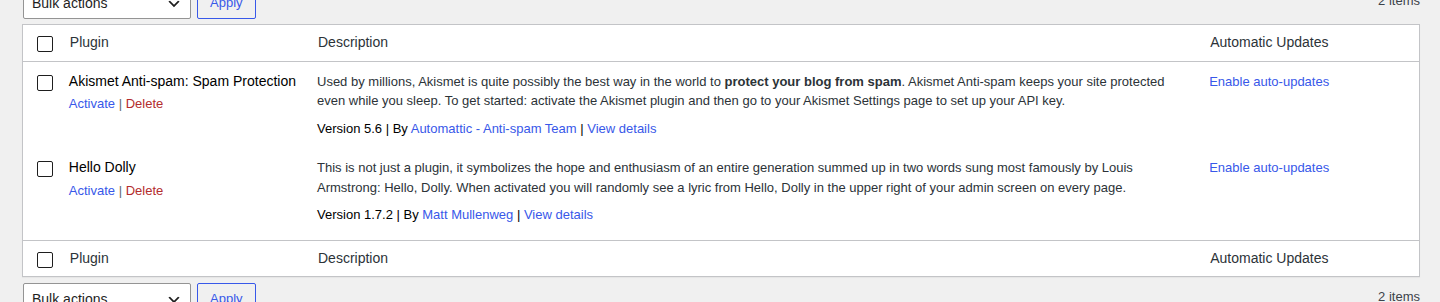
- If you are locked out, use SFTP or your host file manager to rename the suspected plugin folder. That stops WordPress from loading it and may let you back in.
- If plugin testing is clean, switch briefly to a default theme. Themes can affect redirects, cookies, and login behavior when they include custom code.
- Do not delete plugins as your first move. Some store settings, database tables, scheduled tasks, and cached rules outside the plugin folder. Deleting the folder can remove useful evidence before you know what happened.
Use staging for risky tests on WooCommerce, membership, course, or client sites. A rushed production test can turn a login annoyance into a checkout or access problem.
Review security, firewall, VPN, and bot settings
Security tools can log users out for good reasons and for badly tuned reasons. This is where the diagnosis needs nuance. A security plugin may:
- end idle sessions too quickly
- bind sessions to an IP address
- block concurrent logins
- challenge unknown devices
- geoblock requests
- lock users after failed login attempts
- react to bot traffic against the login page
VPNs, mobile data, office networks, and some home internet connections can change the IP address WordPress sees. If a security plugin treats every IP change as suspicious, switching from Wi-Fi to mobile data can break the session.
Failed-login traffic can also create false alarms. A real person may be using the right password, while automated login attempts in the background keep triggering lockout rules.
Disable a security plugin only long enough to confirm the cause. Then fix the setting. Do not leave the site unprotected because one rule was too strict.
If failed-login traffic is causing recurring lockouts, MalCare’s firewall and bot protection can help reduce the bad traffic before it turns into account lockouts and false alarms. The goal is not weaker login security. The goal is less junk hitting the login page.
Extend login duration only after login works
Some site owners only want WordPress to keep them logged in longer. That is a valid goal, but it should come late in the process. Use this path only when:
- login works normally
- cookies are allowed
- URL settings are correct
- cache is not interfering
- plugins are not forcing logouts
- there are no security warning signs
- the only issue is that sessions end too soon
Start with Remember Me. If that is not enough, a developer can change the WordPress login duration with the official authentication cookie expiration filter. Ask them to do this in a small site-specific plugin or managed custom code, not in a theme file that may be replaced during a redesign.
Do not set logins to last forever. Longer sessions increase risk if a laptop, browser profile, or admin account is compromised. Longer sessions solve convenience. They do not fix broken authentication.
Check server errors when everyone is affected
If every user is affected, or wp-admin fails with blank screens, critical errors, 500 errors, or memory warnings, stop treating this like one browser problem.
Check hosting error logs first. They can show plugin crashes, memory limits, file permission issues, database problems, or PHP errors. PHP is the language WordPress runs on, so a PHP fatal error can make a login issue look like a session problem.
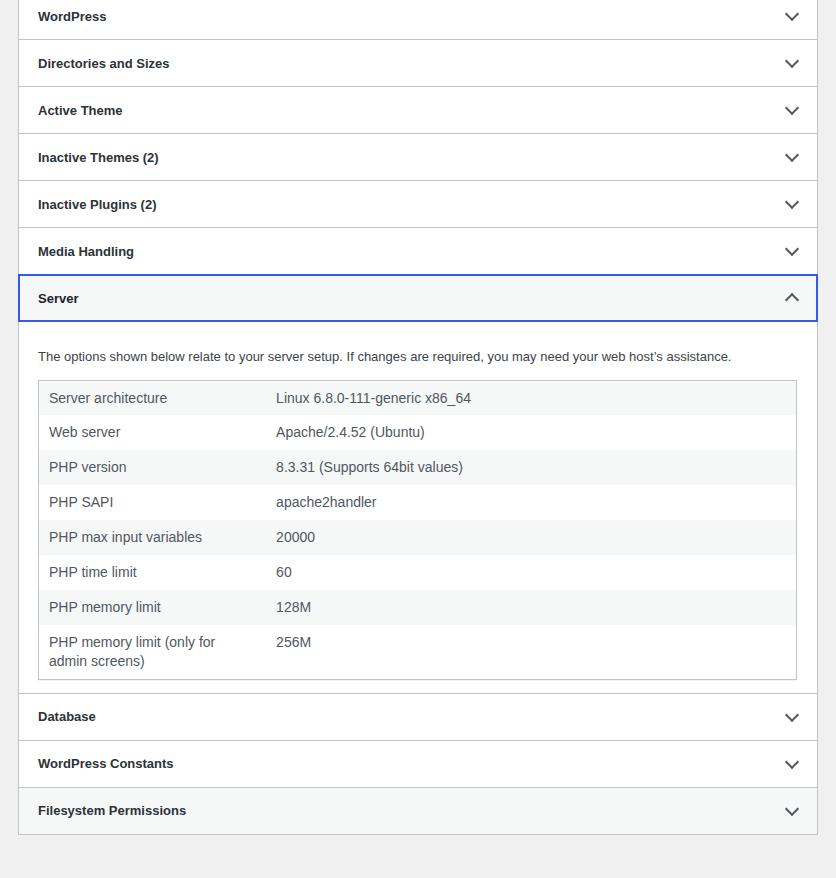
You can also ask your host or developer to turn on WordPress debug logging briefly. Debug logging records errors to a private log file. Do not show debug errors publicly on a live site because those messages can expose file paths and plugin details.
Also review Site Health and host settings for outdated PHP, database, or server software. Old server software can create compatibility and security problems, especially after WordPress or plugin updates.
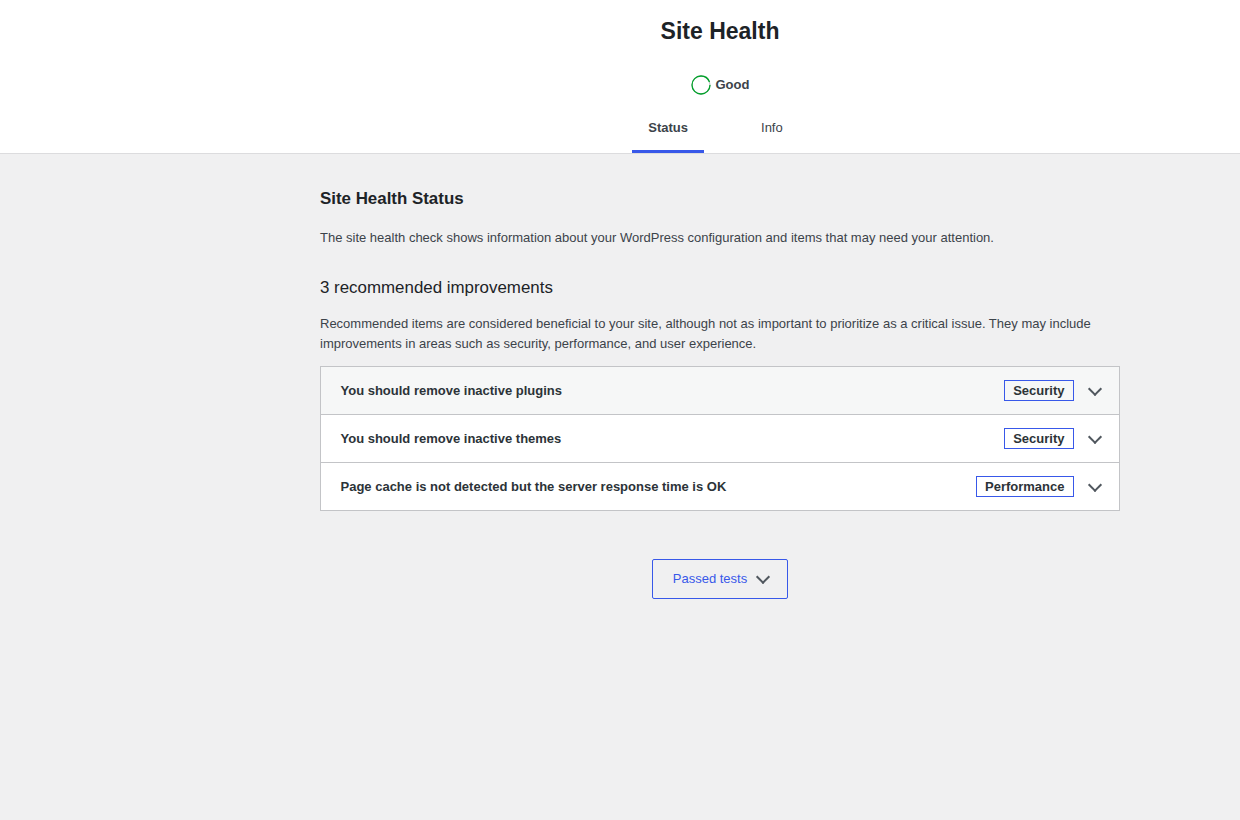
If database values or user records need editing, involve your host or developer. Guessing inside the database is not a safe troubleshooting step.
Scan for malware
Malware is not the most common reason WordPress keeps logging you out. Cookies, cache, URL settings, and plugins are more likely.
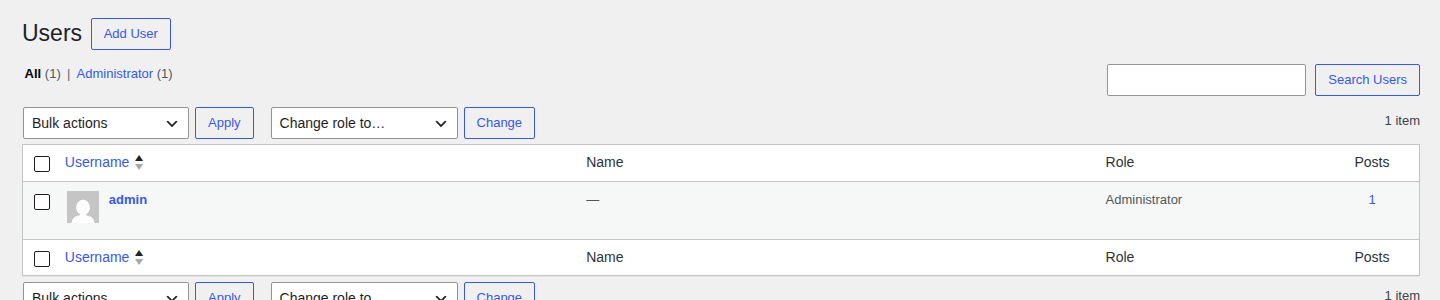
But scan immediately if you also see:
- unknown admin users
- user roles changed without approval
- strange redirects
- spam pages or SEO spam in search results
- disabled or missing security plugins
- unfamiliar plugin or theme files
- settings that revert after you change them
- repeated lockouts after password changes
- admin activity you cannot explain
- wp-admin access that fails right when you investigate
If you see these signs, stop spending hours on cookie tweaks. A compromised site can keep reintroducing the problem after you fix one symptom.
MalCare is useful here because you can scan and start cleanup even when wp-admin is unreliable. If malware is found, clean the site before normal troubleshooting continues. Then change passwords, review admin users, update vulnerable plugins and themes, and keep firewall, bot protection, and vulnerability monitoring active.
A logout is a symptom. Malware is one possible cause when the surrounding evidence supports it.
Verify the fix and avoid setbacks
Confirm that the original failure pattern is gone before making any permanent changes.
Avoid changes that make troubleshooting harder
Bad troubleshooting can make a login problem harder to solve. Avoid these moves.
- Do not change many settings at once. You will not know what fixed the problem.
- Do not set endless login sessions. It increases account risk without fixing broken cookies or URL settings.
- Do not leave security disabled. Turn it off only for a short test, then correct the setting.
- Do not edit the database without a backup. URL typos can lock you out further.
- Do not keep retrying during a lockout. You may extend the lockout window or trigger stricter rules.
- Do not test risky changes on a busy live site. Use staging when orders, members, editors, or campaigns depend on the site.
- Do not ignore security signs because cookies are common. Most logouts are harmless, but unknown admins and redirects are not normal.
The cost of guessing is not just wasted time. It is making the site harder to recover while you are already locked out.
Verify the fix before you move on
You are not done when you log in once. You are done when the failure pattern is gone. Use this checklist:
- Log in from a fresh tab.
- Open wp-admin in another tab.
- Save a harmless draft or setting.
- Close and reopen the browser if the issue happened after browser close.
- Test another browser or device if the issue seemed local.
- Ask another user to test if the issue affected multiple accounts.
- Clear cache again after URL or plugin fixes.
- Watch for redirects, unknown users, reverting settings, or disabled security tools.
If the old pattern returns, go back to the diagnosis table and choose the next likely layer. Do not repeat the same fix and hope it behaves differently.
When to get help
Bring in your host, developer, or security team if all users are affected, the problem followed a migration or SSL change, wp-admin is not stable enough to troubleshoot, error logs show fatal errors, database values need editing, or you see unknown admins, redirects, spam pages, or suspicious files.
Escalate faster if the site takes orders, handles member data, supports ads or campaigns, or has multiple editors working in it. On a business site, a login issue can quickly become a revenue, support, or security problem.
FAQs
wp-admin, wp-login.php, account pages, checkout pages, or logged-in content.Conclusion
If WordPress keeps logging you out, start with the reversible fixes: clear this site’s cookies, test another browser, use Remember Me where safe, purge cache, and confirm the site URL uses the right HTTPS and www version. Then check plugins, security rules, server logs, and database settings only when the symptom points there.
Treat malware as a serious branch, not the default answer. Most logout problems are fixable configuration issues, but unknown admins, redirects, disabled security tools, and repeated lockouts after password changes deserve a scan and cleanup before normal troubleshooting continues.