You’re trying to get on your site, but the website is just not loading. Or maybe you’ve heard from others that they can’t access it. Seeing the “This site can’t be reached” message can be frustrating for you and your visitors.
If you’re wondering whether your site has crashed, rest assured, it’s not that serious. This error isn’t a sign of a site crash, but it does need attention.
The good news is that solving this issue is simpler than it seems. We’ve run into this problem countless times, and we’ve figured out some easy solutions to help get your site back to normal.
The “This site can’t be reached” error usually involves connectivity or DNS issues. Taking backups with a reliable backup plugin is key to avoiding data loss and ensuring quick recovery. Stay proactive with monitoring and updates to keep your website running smoothly.
Understanding the “This site can’t be reached” error

Running into the “This site can’t be reached” error can feel like trying to open a door that just won’t budge. It’s a frequent issue across major browsers like Chrome, Firefox, and Edge.
This happens when your browser has trouble connecting to a website. While the main error message is fairly generic, there’s usually an additional message or code. This message/code provides clues about what might have gone wrong, helping you begin the troubleshooting process.
What are the common causes of this error?
Several technical site issues can trigger this error. Here are some:
Internet connectivity issues: Sometimes, the Wi-Fi or internet connection might be weak or disrupted.
DNS problems: The DNS, which helps translate website names into IP addresses, might be having trouble.
Server downtime: If the site’s server is down, it won’t be able to respond to your request.
Firewall or security software: Security software on your device may unintentionally block the site.
WordPress cache and cookies: Old or corrupted data stored in your browser can sometimes cause access issues.
How to fix “This site can’t be reached”
There are quite a few steps you can take to troubleshoot and fix the problem. Here’s how to go about it:
1. Check internet connection
The first step is to check your internet connection. Make sure your device is properly connected, as simple connectivity issues can often be the culprit. Try visiting other websites to verify that your internet is working.
If you notice issues, a quick restart of your router or modem can refresh your connection and solve temporary glitches.
2. Verify website URL
Next, verify the website URL you’re trying to reach. A minor typo in the address could prevent access throwing a DNS_PROBE_FINISHED_NXDOMAIN error. Double-check for any mistakes and, if needed, try reaching the site through a different link or bookmark. Small errors can lead to big problems, but they’re easy to fix.
3. Use a different browser
Sometimes, the browser you’re using might be part of the problem. Open the website in a different browser to check if it’s a browser-specific issue.
For instance, try using Firefox if you’ve been attempting access through Chrome. Different browsers can behave differently, so this can help you rule out problems with one specific browser.
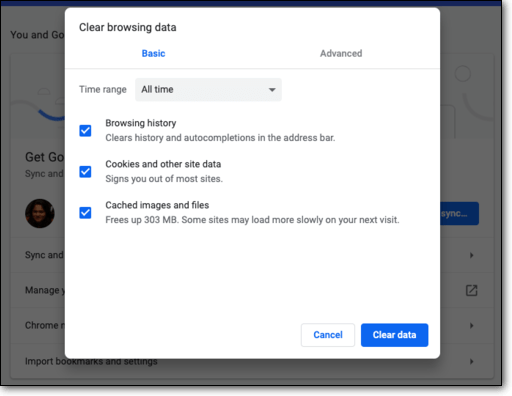
4. Clear browser cache and cookies
Clearing all cache and cookies is another helpful step. These are like temporary storage spots for your browser, and sometimes they can hold onto outdated data that interferes with website access.
5. Check for server accessibility
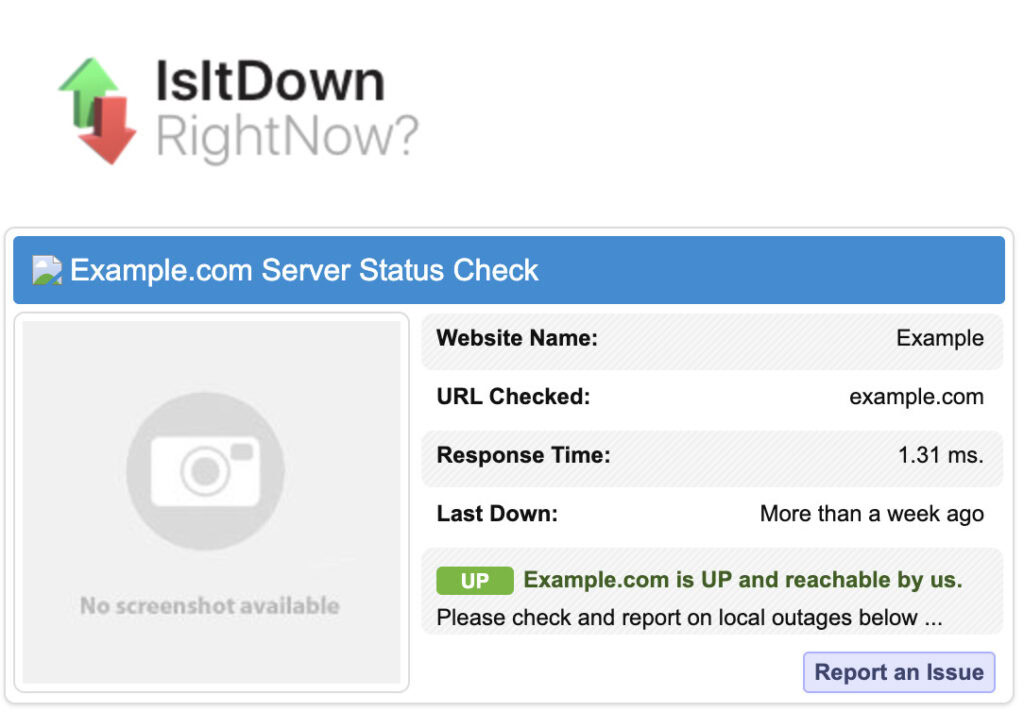
It’s also a good idea to check if the website’s server is accessible. Use online tools like Is It Down Right Now to determine if the site is down for everyone or just for you.
If you are the website owner, reaching out to your hosting provider can help you uncover any server problems that might be affecting accessibility.
6. Adjust DNS settings
Adjusting your DNS settings can sometimes resolve the issue as well. DNS servers act like an internet phonebook, and switching to a public DNS server such as Google’s (8.8.8.8) or Cloudflare’s (1.1.1.1) might help.
Update these settings in your network adapter properties to see if it improves access.
7. Disable firewall or security software temporarily
Your site’s firewall or security software might also be the source of the problem. Temporarily disable these protections to see if they’re mistakenly blocking the site, but remember to turn them back on afterward to keep your device secure.
8. Flush DNS cache
Flushing your DNS cache is another effective step. If you’re on a Windows device, open Command Prompt and type the following:
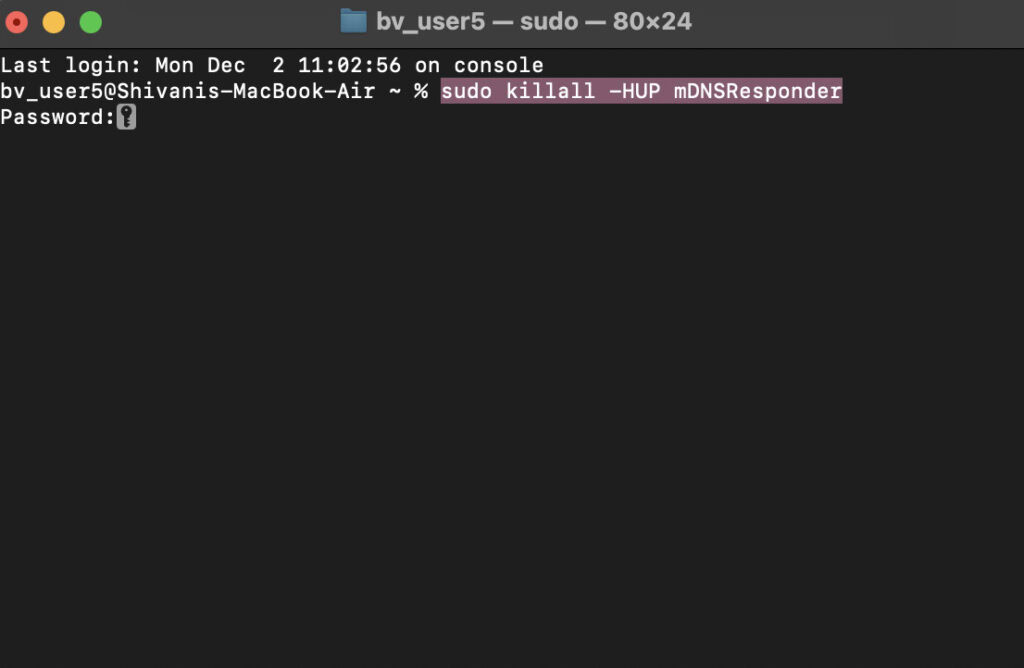
ipconfig /flushdnsOn a Mac, use Terminal and type the following:
sudo killall -HUP mDNSResponderThis clears outdated DNS entries and can solve connectivity issues.
9. Scan for malware
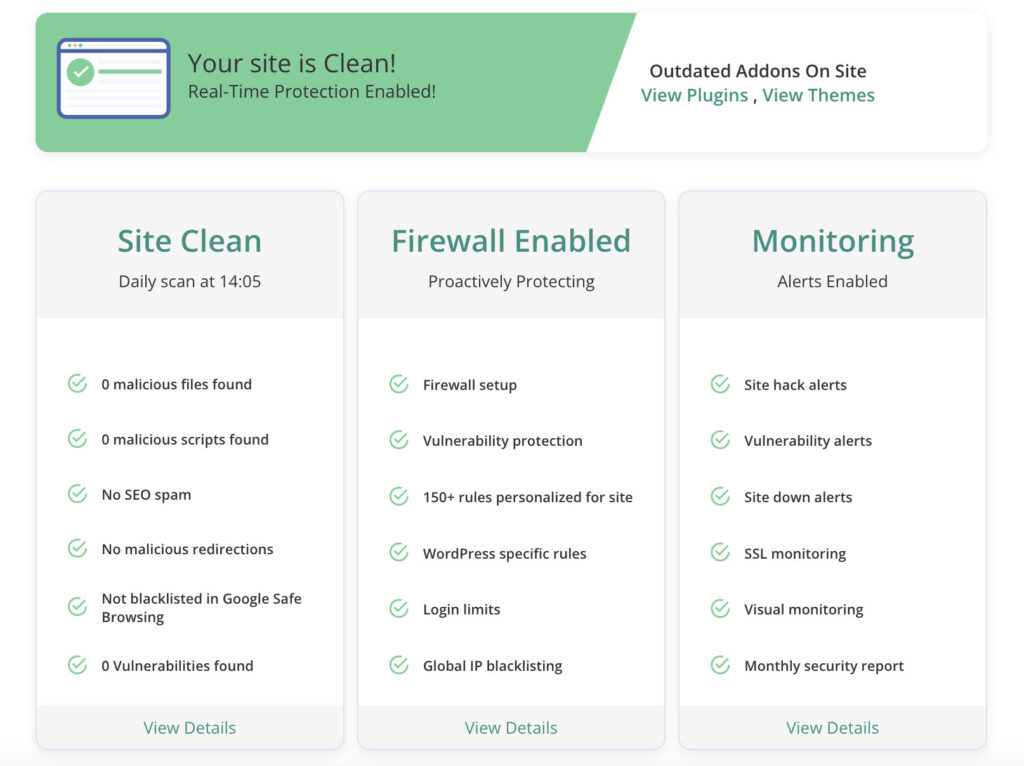
Running a malware scan is crucial to ensure that malicious software isn’t causing trouble. Use a security plugin to perform a thorough check and remove any potential threats that might be affecting your internet connection.
10. Contact ISP or website administrator
If none of these steps work, it might be time to contact your Internet Service Provider (ISP) for assistance. As a site owner, reaching out to your website’s hosting support or IT team can also provide additional insights and help get your site back online.
Best practices to prevent “This site can’t be reached” errors
Preventing the “This site can’t be reached” error is all about staying on top of your website’s health. Here are some smart steps you can take to ensure a smooth experience for both you and your site visitors:
Regularly monitor server uptime: Use tools provided by your hosting service to monitor your website to make sure it stays up and running. Set up alerts to be notified of any downtime so you can jump in and fix problems before they escalate.

Maintain updated DNS records: DNS records are like the GPS for your website. Keeping them accurate ensures that users can find you online without issues. Work with your hosting provider to regularly review and update these records, keeping everything in check.
Pick a good hosting provider: Choose a hosting provider with a solid reputation for high uptime. This helps your site stay accessible, even during high-traffic periods. Look for hosting plans that can easily scale according to your site’s needs, minimizing the risk of downtime.
Regularly clear cache and cookies: Clear your cache and cookies occasionally. This prevents loading issues that arise from old or corrupted files. Additionally, implement caching strategies that avoid conflicts and keep your site running smoothly.
Monitor and adjust security settings: Security is important, but it shouldn’t block legitimate visits. Regularly review and adjust your firewall and security software settings to make sure they’re protective but not overly restrictive. Use trusted security solutions that offer strong protection without causing access problems.
Provide clear communication for downtime: If you’ve put your site under maintenance, keep your visitors informed. Set up a maintenance page that explains what’s happening. Providing estimated resolution times helps manage expectations and maintains trust with your audience.
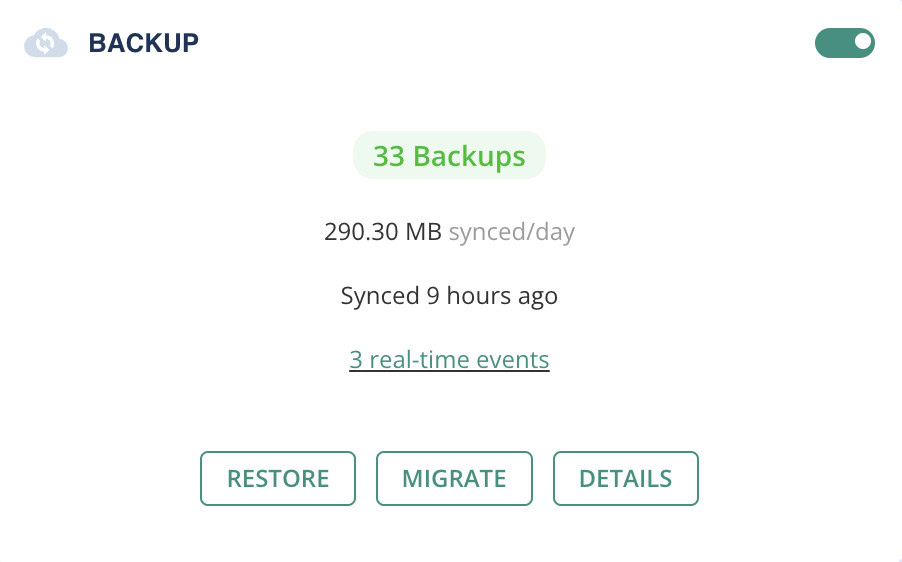
Regular backups and updates: Taking regular backups of your website can save you from data loss during unexpected server issues. Also, keep all your website software and plugins up-to-date to reduce vulnerabilities and ensure everything runs smoothly.
Parting thoughts
Understanding the “This site can’t be reached” error makes resolving it straightforward, offering a smoother experience for both you and your visitors. By incorporating regular checks and proactive measures, you can maintain a reliable website.
Equipped with basic troubleshooting skills, it becomes easy to minimize downtime and reduce frustration, keeping everything running smoothly.
FAQs
First check that your internet connection is active and stable. Make sure Wi-Fi is on and working, then double-check the website address for mistakes. If that doesn’t work, try a different browser or clear your browser cache to remove outdated files.
This error often means there is an issue with your internet connection, the server, or your browser settings. Restart your router, check the website address, and see if clearing your browser cache helps.
If every site is unreachable, the likely cause is your internet connection. Try restarting your router or contacting your internet provider. A device setting, firewall, or security tool could also be blocking access.
Open your browser settings, find the option to clear browsing data, and choose cached files. Select a time range such as last hour or all time, then clear the data.
A persistent message could be due to a weak internet signal, DNS issues, or overly strict security settings. Ensure your connection is stable, adjust DNS settings if needed, and check whether security software is blocking access.